Helpful Tips to Electronics Recycling
Eco-Friendly Approaches: How E-Waste Recycling Services Are Preserving Our Planet
E-waste represents a considerable hazard to the environment, as abandoned electronic devices commonly carry harmful materials. These toxic materials have the potential to taint soil and water sources, leading to broader ecological damage. E-waste recycling initiatives provide a practical answer. They not only recover valuable resources but also mitigate pollution. Gaining insight into how these programs function and affect local communities is critical. The journey towards effective e-waste management raises critical questions about individual responsibility and collective action. What measures can be pursued from this point onward?
The Reasons E-Waste Is Damaging to the Planet
Although technology enhances our daily lives, e-waste poses serious threats to the environment. Abandoned electronic gadgets, commonly laden with dangerous compounds like cadmium, lead, and mercury, can leach toxins into groundwater and soil, presenting dangers to ecosystems and human health. The swift progression of technology contributes to increased consumer turnover of electronics, intensifying the growing problem of electronic waste.
Landfills, See details already overwhelmed with refuse, find it difficult to handle the increasing amounts of discarded devices. Incineration, a common waste management technique, emits dangerous pollutants into the environment, degrading atmospheric conditions. In addition, improper recycling practices can lead to the exportation of e-waste to developing countries, where laborers may dismantle devices without adequate safety measures, exposing themselves to dangerous substances. This cycle of neglect and improper handling underscores the urgent need for sustainable recycling solutions that can mitigate the adverse effects of e-waste on the planet.
Understanding E-Waste and Its Significance
E-waste, also referred to as electronic waste, encompasses discarded electronic devices like computers, smartphones, and televisions that have exceeded their operational lifespan. This increasingly prevalent form of waste is important owing to its accelerating volume, fueled by innovation in technology and shifting consumer habits. As growing numbers of electronics become outdated, the toll on the environment grows more severe, with dangerous elements including lead, mercury, and cadmium posing risks to ecosystems and human health.
The importance of addressing e-waste lies not only in mitigating these hazards but also in recognizing the valuable materials it contains. Valuable metals and rare earth materials can be extracted and repurposed, lessening the demand for mining and preserving natural resources. Through a deeper awareness of e-waste and its consequences, both individuals and organizations can make well-informed choices regarding disposal and recycling, thereby supporting a more sustainable future. Proper management of e-waste is essential for fostering a circular economy and promoting environmental stewardship.
How the E-Waste Recycling Process Works
The recycling of e-waste encompasses a structured approach aimed at reclaiming useful resources while reducing harm to the environment. At the outset, discarded electronics are retrieved and sent to specialized recycling facilities. After reaching the facility, the electronics are carefully categorized to separate hazardous components from recyclable materials.
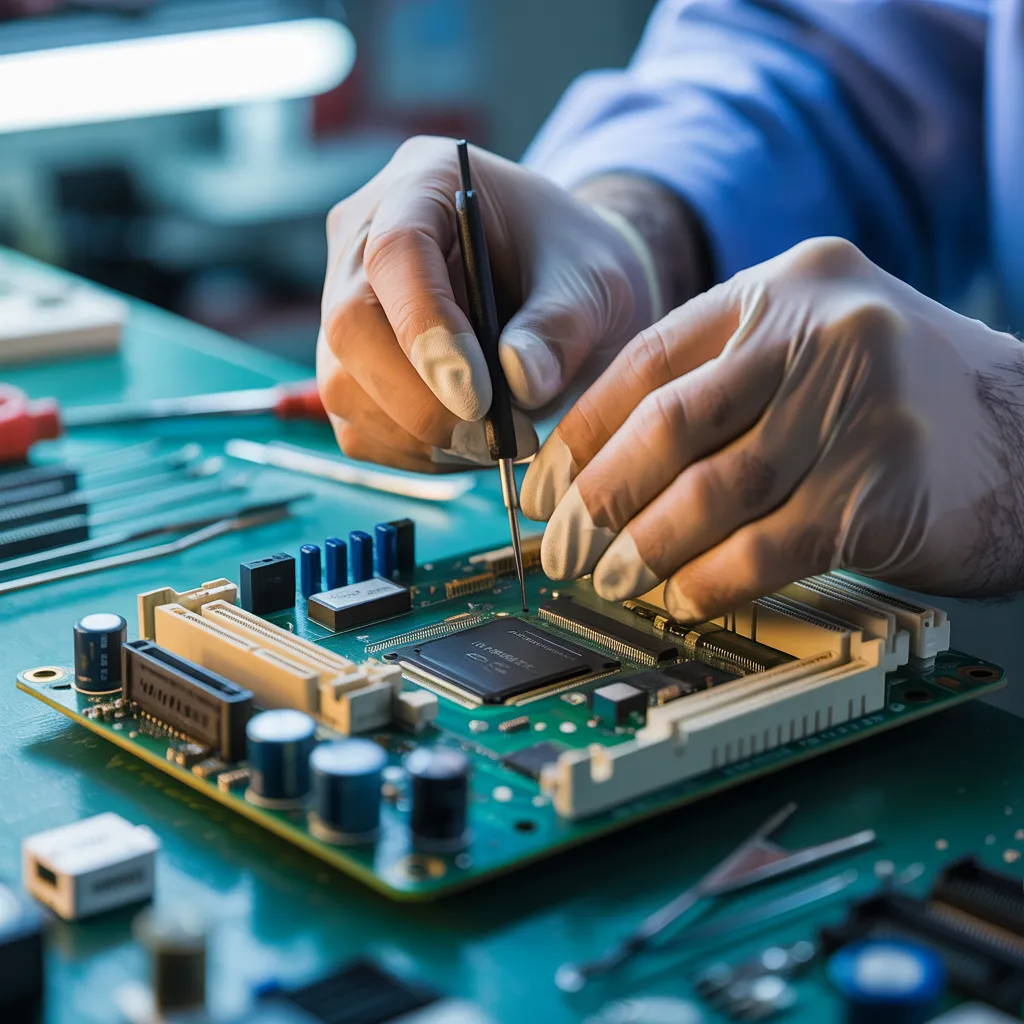
Following this, technicians dismantle the items, separating metals, plastics, and glass. This stage is crucial, as it facilitates the retrieval of valuable metals like copper, gold, and silver, which are repurposed in new electronics.
Subsequently, the isolated materials are refined using advanced techniques, such as shredding and specialized chemical treatments, to refine them for reuse.
In the final step, the residual hazardous waste is handled with responsibility, adhering to eco-friendly standards. This comprehensive process not only conserves resources but also minimizes the hazards connected to irresponsible electronic waste disposal, securing a more eco-conscious future for electronic device usage.
Advantages of E-Waste Recycling for You and Your Community
Although it often goes unnoticed, the advantages of e-waste recycling reach well past personal use to meaningfully influence entire communities. By carefully processing electronic waste, individuals play a role in creating a safer environment, minimizing hazardous materials that can leach into soil and water. This proactive approach helps preserve local ecosystems and promotes public health.
Additionally, electronic waste recycling supports job creation within communities. Community recycling operations commonly require workers for diverse activities, from collection to processing, thus generating valuable job opportunities to area workers. This not only strengthens the regional economy but also fosters community involvement in eco-friendly practices.
Furthermore, awareness of e-waste recycling is capable of inspiring community outreach programs, enabling residents to adopt eco-friendly choices. By taking part in e-waste recycling programs, individuals promote a culture of sustainability, motivating others to embrace similar practices. Overall, the cumulative impact of these actions can contribute to a more strong and environmentally aware community.
A Guide to Selecting an E-Waste Recycling Service
Choosing the right electronic waste recycling provider is essential for ensuring that electronic waste is handled in a responsible and sustainable manner. Initially, people should check the service's credentials, such as e-Stewards or R2, which signify compliance with professional guidelines for safe recycling practices. It is equally important to evaluate the organization's credibility by reviewing feedback and seeking referrals from reliable sources.
Furthermore, transparency in the recycling process is vital. A dependable service should offer detailed insights about the manner in which e-waste is managed and what becomes of the materials. Furthermore, considering the scope of services provided can prove valuable; certain providers may offer collection services or present rewards for recycling.
Furthermore, understanding area-specific requirements for e-waste disposal can further guide the evaluation process. By prioritizing these factors, residents can actively participate in successful electronic waste reduction as well as promoting environmentally responsible practices.
How You Can Get Involved in E-Waste Recycling?
Engaging in e-waste recycling may begin at the local level, where community recycling hubs frequently offer essential services for responsible disposal. Moreover, participating in community awareness campaigns can enhance efforts to raise awareness about the importance of responsible e-waste management. These initiatives not only promote sustainability but also cultivate a collective sense of responsibility toward the environment.
Local Recycling Centers
Many regional recycling hubs play an essential role in recycling electronic waste, providing communities with accessible options to manage electronic waste appropriately. These hubs welcome a range of digital devices, including used computers, handheld devices, and televisions, ensuring that harmful materials are handled safely. Most centers are equipped with experienced team members who help individuals navigate appropriate disposal procedures, highlighting the value of recycling rather than landfilling. In addition, many centers offer drop-off events or designated collection days, enabling residents to engage without difficulty. By engaging with these local facilities, people help build a circular economy, reducing environmental impact and promoting sustainable practices. Partnering with these facilities enables communities to combat e-waste pollution successfully.
Community Education Campaigns
Nearby organizations, schools, and enterprises can work together to organize events that support e-waste collection drives. Community members can serve a critical function in raising awareness, sharing informational resources, and connecting with local residents. As a result of these combined actions, community members grow more knowledgeable and inspired to dispose of their electronics responsibly, ultimately contributing to a more sustainable future.
Questions We Often Receive
What Electronic Devices Are Eligible for Recycling?
Numerous electronics can be recycled, including smartphones, computers, laptops, televisions, printers, and gaming consoles. Moreover, accessories such as mice, keyboards, and batteries are also suitable for recycling, supporting environmental conservation efforts.
Are There Any Costs Associated With E-Waste Recycling?
That's correct, e-waste disposal can include costs, depending on the facility. Certain providers apply costs for pickup or handling, while others provide no-cost solutions, often subsidized by the resale of recovered materials.
How Can Businesses Benefit From E-Waste Recycling?
Organizations can gain from e-waste recycling by minimizing disposal costs, enhancing their environmental image, adhering to regulatory requirements, extracting valuable resources, and creating potential earnings via resale, thereby fostering a more environmentally responsible business approach.
What Occurs with Data on Recycled Devices?
Information on repurposed equipment is often permanently erased or eliminated throughout the recycling process. This confirms private details stays protected, stopping improper access while permitting materials to be repurposed carefully and ethically across new manufacturing processes.
Can I Recycle Broken Electronics?
Yes, defective electronics can be recycled. Several collection points accept defective devices, guaranteeing responsible disposal and retrieval of recoverable materials. It helps reduce harm to the environment while fostering eco-friendly recycling methods to control electronic waste effectively.